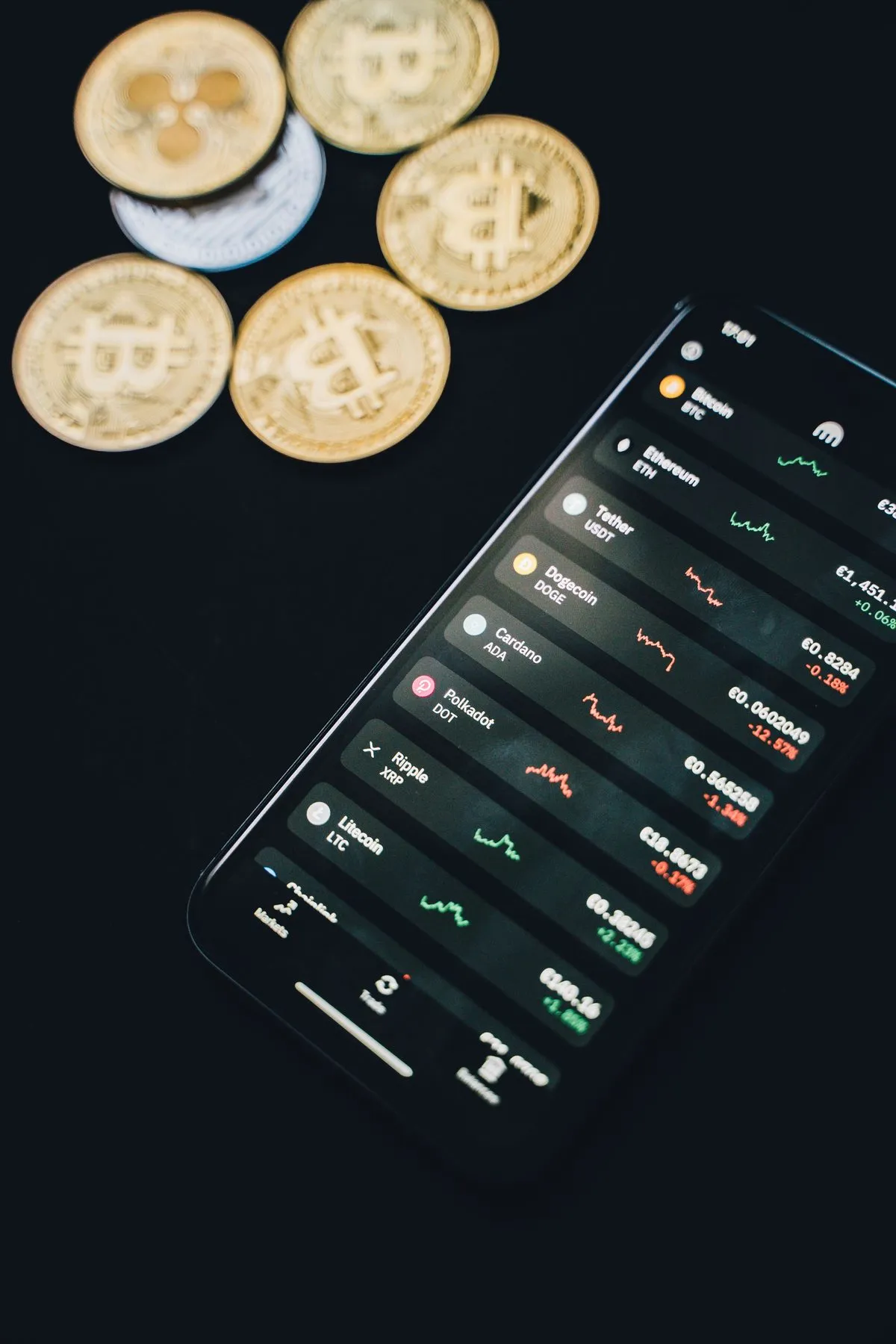
Ask ten people in Tbilisi what cryptocurrency is and you’ll get ten answers: “internet money”, “a pyramid”, “what my cousin bought a flat in Batumi with”, “that Pi app on my mother’s phone”. Each has a grain of truth. This page untangles them: what crypto actually is, how it works under the hood, how it differs from the lari in your bank account, and how people really earn it, as opposed to how adverts say they do.
No prior knowledge is assumed. Where a term is unavoidable, hover or tap it for a one-line explanation, and keep the crypto glossary handy for the rest.
Cryptocurrency in plain words
A cryptocurrency is a digital asset whose ownership is recorded on a shared, public ledger instead of in one company’s database. When you “have” one Bitcoin, there’s no file on your phone called bitcoin. There is an entry on the ledger saying a certain address controls that amount, and you hold the secret key that can move it.
Three features make this different from the money in a TBC or Bank of Georgia account:
- No central operator. The ledger is kept in sync by thousands of computers worldwide. No single bank can freeze the network or edit the history.
- Final transfers. Once a transaction is confirmed, it can’t be reversed. Send to the wrong address and there is no hotline to call.
- You are the security. Whoever holds the private keyPrivate keyThe secret code that signs transactions from your address. A seed phrase is a human-readable backup of it. controls the coins. Lose it and the coins are gone; leak it and someone else owns them.
Georgian law has its own definition. Since amendments took effect on 1 January 2023, the Organic Law on the National Bank of Georgia calls crypto a virtual asset: in short, a digital representation of value that is interchangeable, can be traded or transferred digitally, and can be used for investment or payment. The definition excludes digital versions of the lari or other fiatFiatOrdinary government money — lari (GEL), dollars, euros. currencies and securities. Because it requires assets to be interchangeable, unique tokens such as NFTs fall outside it.
How it works: blockchain, keys and wallets
A blockchain is the ledger itself: a chain of blocks, each holding a batch of transactions and a cryptographic fingerprint of the block before it. Change one old transaction and every fingerprint after it breaks, so the network rejects the forgery. That’s where the “crypto” comes from: cryptography, not secrecy.
Someone has to add new blocks, and each network has rules for who gets to do it. Bitcoin uses miningMiningUsing specialised computers to secure a blockchain like Bitcoin and earn new coins in return. It is mostly an electricity business.: specialised computers race to solve a puzzle, and the winner adds the next block and collects new coins plus fees. The total computing power competing is the network’s hash rateHash rateHow much computing power is securing a network. More hash rate means a more expensive network to attack.. Ethereum and many newer networks use staking instead: holders lock up coins as a deposit and are chosen to validate blocks, earning rewards for honest work.
Every transfer pays a network feeNetwork feeThe fee paid to the blockchain itself to process a transfer (also called gas). It goes to miners/validators, not to the exchange. to whoever processes it. Fees differ a lot by network, which is why the same USDT costs more to send on Ethereum (ERC-20ERC-20Tokens on the Ethereum network. Widely supported but network fees can be several dollars per transfer.) than on Tron (TRC-20TRC-20USDT issued on the Tron network. Cheap and fast transfers, which is why most OTC and property deals in Georgia quote TRC-20.), where you also need a little TRX to pay for the transfer.
A wallet doesn’t hold coins; it holds keys. When you create one, it shows you a seed phraseSeed phrase12 or 24 words that restore your wallet on any device. Whoever has them owns the coins — never type them into a website or send a photo of them., usually 12 or 24 words, from which all your keys can be rebuilt. Write it on paper and never type it into a website, chat or “support” form. Wallets come in a few kinds:
- Exchange accounts are custodialCustodialSomeone else (an exchange, a bank app) holds the keys for you. Easy to use, but you depend on that company.: the platform holds the keys for you, like a bank. Convenient, but you depend on the company.
- App wallets such as Trust Wallet or Keeper are non-custodialNon-custodialYou hold the keys yourself. Nobody can freeze the wallet — and nobody can recover it if you lose the seed phrase. hot walletsHot walletA wallet app connected to the internet (phone or browser). Convenient for everyday amounts, riskier for savings.: keys on your phone, connected to the internet.
- Hardware wallets from Ledger, Trezor or Tangem keep keys offline, the usual choice for larger sums. In Georgia, order from the maker’s own store; we couldn’t confirm any authorised local reseller.
Our guide to crypto wallets for Georgia compares them in detail.
Crypto versus the lari
The lari is fiatFiatOrdinary government money — lari (GEL), dollars, euros. money: issued by the National Bank of Georgia, legal tender by law, and the only currency Georgian shops must accept. Crypto is none of those things.
Article 39¹ of the Organic Law says it plainly: a virtual asset is not legal tender, and payments in virtual assets are prohibited except in cases the NBG defines for crypto services. The NBG’s FAQ adds that Georgian companies and individual entrepreneurs may not accept crypto as payment for goods or services. When you see a café or a Batumi developer advertising “we accept crypto”, what legally happens is a conversion: a registered provider sells your crypto and the business receives lari or dollars. The regulation guide explains the details.
The other big difference is price stability. The lari moves against the dollar, but crypto can lose half its value in weeks. Pi, a coin with many Georgian holders, reportedly traded around $1.84–2.10 at its launch in February 2025; when we last checked, OKX quoted it under $0.08. The live converter at the top of this page shows today’s lari value of the main coins.
Stablecoins try to remove that volatility. A stablecoinStablecoinA token designed to track a currency, usually the US dollar. USDT and USDC aim to stay worth $1. such as Tether (USDT) is pegged to a fiat currency, usually the dollar, and backed by reserves. In Georgia USDT is the working currency of cash desks, P2P traders and property deals. Georgia now has its own stablecoin rules: NBG Order No. 52/04 of 6 March 2026 requires a provider to get the NBG’s prior consent before issuing one and to hold reserves of at least 100%. Tether and the Georgian government announced a planned lari-pegged coin, GEL₮, in May 2026, but no launch date or issuer has been published. Read more in our USDT guide.
How many cryptocurrencies exist, and which are best known
There is no exact count. Creating a token takes minutes, so price aggregators track many thousands, and most of them have tiny markets or have been abandoned. A better question for someone in Georgia is: which coins can I actually buy here, and where?
| Coin | What it is | Where to get it in Georgia |
|---|---|---|
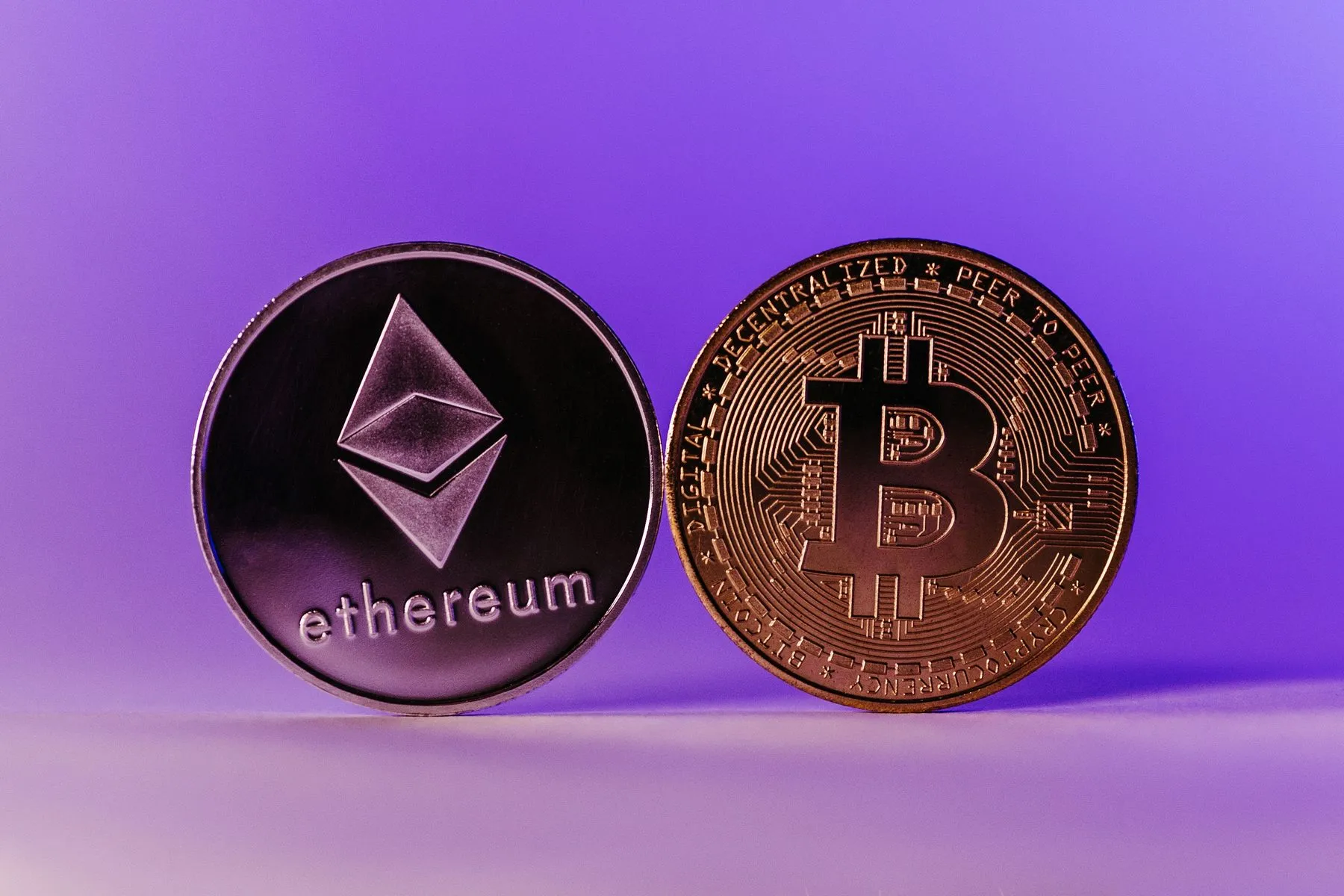
| Bitcoin (BTC) | The first cryptocurrency, capped at 21 million coins | Every Cryptomat ATM, Cryptal, global exchanges |
| Ethereum (ETH) | A platform for smart contracts and tokens | Cryptomat ATMs, Cryptal, global exchanges |
| Tether (USDT) | Stablecoin tracking the US dollar | ATMs (ERC-20 and TRC-20), Cryptal, P2P in lari |
| Litecoin (LTC) | An older, Bitcoin-like payment coin | Cryptomat ATMs, Cryptal |
| Dogecoin (DOGE) | Meme coin with no supply cap | Cryptal, global exchanges; not at ATMs |
| Pi (PI) | Mobile-app project with KYC | Only via exchanges on Pi’s verified list, e.g. OKX, Kraken |
Bitcoin is by far the most famous: launched in 2009 by an anonymous creator using the name Satoshi Nakamoto, with a hard limit of 21 million coins. Cryptomat’s five-coin menu (BTC, ETH, LTC, Bitcoin Cash and USDT) is a fair picture of what most Georgians start with. Cryptal lists 31 assets, including Solana, XRP and TRX, and TBC’s mobile bank offers about 30. Anything beyond that means a global exchange.
Popularity isn’t a recommendation. Our coins overview shows availability by coin, with dedicated pages for Bitcoin, USDT and Pi coin, but which coin to buy, if any, is your decision.
How people earn crypto, and which “earning” is a scam
“How do I earn crypto?” is one of the most common Georgian searches on the topic, and the answer most adverts give is a lie. Here are the honest routes and what they really involve.
Mining
Mining is real work: specialised machines, constant electricity and cooling. Georgia knows this well. Bitfury opened a data centre in Gori in 2014 and a bigger one in Tbilisi’s free industrial zone in 2015, and legal mining today is concentrated in free zones in Tbilisi and Kutaisi. For a household, the maths depends almost entirely on the electricity price, and stealing that electricity is a crime: after Mestia’s free household power was used for mining, police seized more than 200 mining devices and the government introduced metering from June 2026. Mining income for individuals also sits in a tax grey area. See crypto mining in Georgia.
Staking
On networks that use staking, you can lock coins and receive rewards, either in your own wallet or through an exchange. Some wallets, such as Keeper, offer staking directly. The rewards come in the same coin, so if its price falls 40%, a 5% reward doesn’t save you, and staking through an exchange adds the risk of the exchange itself. The 2019 tax decision deals with income from selling crypto; it doesn’t address staking rewards directly, so ask an adviser before assuming they’re tax-free.
Getting paid in crypto
Freelancers and remote workers in Georgia are sometimes paid by foreign clients in USDT. That is ordinary taxable income, not covered by the 0% rule for selling crypto. A Georgian company paying salaries in crypto would run into the general ban on payments in virtual assets, so in practice this is income from abroad. Our crypto tax guide covers how such income is treated.
Apps, airdrops and “free” coins
Pi Network’s app calls tapping a button “mining”, but it isn’t mining in the technical sense; it’s a reward scheme for users who pass KYC and migrate to Pi’s main network. AirdropsAirdropFree tokens distributed to wallets by a project. Many "airdrop" messages are scams asking you to connect a wallet. (free tokens sent to promote a project) are sometimes real, but many “claim your airdrop” links exist only to make you connect a wallet and sign away its contents.
The risks nobody puts in the advert
- Price risk. Apart from stablecoins, crypto prices swing hard. Only put in money you can afford to see halved.
- Irreversibility. A wrong address or wrong network (sending TRC-20 USDT to an ERC-20 address, say) usually means the money is lost.
- Custody risk. An exchange can fail or freeze withdrawals. A forgotten seed phrase locks you out forever.
- Stablecoin freezes. Tether’s terms let it freeze tokens on addresses linked to crime or sanctions, so accepting USDT from unknown people carries real risk.
- Bank questions. Georgian banks may ask about crypto-related transfers, especially P2P payments from strangers. Keep your records; see banks and crypto in Georgia.
- Unregistered “exchangers”. The NBG has warned citizens against using unregistered providers. If something goes wrong with one, you have no supervisor to turn to.
Your first steps in Georgia
If you’ve read this far and want to try, here’s a sensible order. It’s not advice on what to buy; it’s a way to avoid the classic beginner mistakes.
Learn the five core words
Wallet, private key, seed phrase, network and network fee. If any of them is fuzzy, read the glossary first.
Choose a provider supervised in Georgia
The crypto section of the TBC mobile bank if you’re a TBC client, an NBG-registered exchange such as Cryptal (2% by Georgian card, free by bank transfer), or a Cryptomat machine for a small first purchase. Check any company on the NBG register.
Buy a small amount and send it to yourself
Start with an amount you’d shrug off losing. If you’ll hold it in your own wallet, send a small test transfer first and check that the network matches.
Back up and keep records
Write your seed phrase on paper, store it offline, and save every receipt and transaction ID. You’ll want them for your bank and your tax position.
Our main guide on how to buy crypto in Georgia compares every route, from ATMs and PayBox terminals to P2P and global exchanges, with real costs in lari. The overview on our home page puts the whole Georgian picture in one place.
Ready to make a small first purchase?CEX.IO accepts Visa, Mastercard, Apple Pay and Google Pay. Purchases are in USD or EUR, not lari.
Get startedIs crypto legal and taxed in Georgia?
Legal: yes, to own, buy and sell. The rules introduced on 1 January 2023 regulate the businesses, not you as a holder. What you can’t do is pay Georgian businesses directly in crypto. Details are in the crypto regulation guide.
Taxed: for individuals, income from selling crypto is not Georgian-source income under Ministry of Finance Public Decision No. 201 of 28 June 2019, so Georgian personal income tax doesn’t apply. Crypto salary and payment for work are taxable, mining is disputed, and your home country may have its own claim. The crypto tax guide goes through each case.