
A crypto card is the bit of crypto most people in Georgia would actually use every day: tap it at a supermarket or a café in Vake, and the coins in your account pay for it. Until recently, finding one that a Georgian resident could legitimately get was guesswork. That changed when Bybit launched a card for Georgia, and a couple of other options now exist alongside it.
This guide explains what a crypto card in Georgia really is, which ones are open to residents, what is published and what is not about their costs, and the alternatives — including getting crypto paid out to the ordinary Visa card you already have. Spoiler on the legal side: no Georgian shop ever receives crypto. Here is why that is fine.
How a crypto card works at a Georgian till
Article 39¹ of the Organic Law on the National Bank of Georgia says two things: a virtual asset is not legal tender, and payments with virtual assets are prohibited except in cases the NBG defines for providing virtual-asset services. The NBG’s own FAQ adds that a Georgian company or individual entrepreneur may not accept crypto as payment for goods or services.
A crypto card respects that rule because the merchant never sees the crypto. When you tap the card:
- The card provider sells the needed amount of your crypto (or uses a balance you pre-converted) and turns it into ordinary money.
- The payment goes through the card network — Mastercard or Visa — exactly like any bank card.
- The shop’s acquiring bank pays the shop in lari.
From the cashier’s side it is a normal card payment. The NBG FAQ describes this as the legitimate route: a registered provider may, on the customer’s instruction, send the fiat proceeds of an exchange to a payment service provider or acquirer. That is also why you should never agree to “pay in USDT” directly to a shop, landlord or developer — see our guide to buying property with crypto for the compliant route.
Bybit Card in Georgia
The Bybit Card is the most prominent crypto card for Georgian residents. Bybit launched it for Georgia on 28 January 2026, on the Mastercard network, issued together with Pave Bank — one of Georgia’s NBG-licensed digital banks. Approved users get a virtual card first; a physical card is “subject to availability”, and launch materials mention Google Pay support. Bybit then held a launch event in Tbilisi on 11 March 2026 with Mastercard, Pave Bank and Tether, attended by the Economy Minister and NBG representatives.
Bybit is one of only two global exchanges on the NBG’s register: Bybit Georgia Limited, registration no. 0019-9404, Kostava str. 14, Tbilisi. It also reportedly obtained a Georgian payment service provider licence in late 2025, which is what enables card issuance; that claim comes from sponsored coverage and we did not confirm it on the NBG’s PSP register.
What we could not find:
- Fees. No issuance, top-up, FX or ATM fees were published in the launch materials.
- Settlement currency. Whether the card account is in GEL, USD, EUR or USDT was not disclosed — and that determines whether you pay a conversion margin on every lari purchase.
At launch, Bybit advertised 10% cashback, capped at USD 150 for new users and USD 75 for existing users, conditional on a USD 100 deposit within 30 days. Promotions like this change, so check the current terms in the app.
Our Bybit Georgia review covers the exchange itself, including its lari P2P market and how it differs from global Bybit.
Hash Bank: a Georgian bank card with crypto built in
Hash Bank (JSC Hash Bank) is a Georgian digital bank: it received its NBG licence decision on 3 November 2023 and was allowed to operate in the real environment from 20 September 2024. According to a secondary compilation of its tariffs, it offers:
- buying, selling and swapping BTC, ETH, LTC and other coins in the app, free of charge (withdrawal fees vary by network);
- transfers to external wallets, subject to checks;
- a Visa card on the account with 0.5% cashback paid in BTC, up to GEL 150 a month;
- remote onboarding for foreigners with a passport.
The bank itself is the custodian of the crypto and may delegate safekeeping to a VASP. Unlike Bybit, Hash Bank is a bank, so your card spends from an ordinary bank account and the crypto sits alongside it. Hash Bank is also one of the two GEL rails WhiteBIT uses for lari deposits and withdrawals. Because these details come from a secondary source, confirm current tariffs with Hash Bank before opening an account.
Binance Card: announced, not confirmed
In 2023 Binance’s regional manager told Georgian business media that Binance Pay and a Binance Card were planned for Georgia and “waiting for regulation”. We found nothing since confirming a launch, and Binance is not on the NBG’s register of virtual asset service providers. If someone offers you a “Binance Card for Georgia” through a Telegram channel or an agent, treat it as a red flag until Binance announces it officially. See our page on Binance in Georgia.
Other crypto cards you may hear about
Several wallet companies now issue cards through partners, but none has confirmed availability for Georgia:
- MetaMask Card — a Mastercard through third-party issuers, advertising 1% back on spending. Georgian availability unconfirmed.
- Phantom — offers a prepaid Visa debit card with Apple Pay and Google Pay. Georgian availability unconfirmed.
- Crypto.com, Wirex, RedotPay and similar cards — we have not been able to research their status for Georgia yet.
| Card | Issuer and network | Status for Georgia | Fees we could verify |
|---|---|---|---|
| Bybit Card | Pave Bank, Mastercard | Launched for residents, 28.01.2026 | Not disclosed |
| Hash Bank card | Hash Bank, Visa | Georgian bank (secondary source) | 0.5% BTC cashback, up to GEL 150/month |
| Binance Card | — | Planned in 2023, unconfirmed | — |
| MetaMask Card | Third parties, Mastercard | Unconfirmed | 1% back (company claim) |
| Phantom card | Prepaid Visa | Unconfirmed | — |
Our crypto wallet guide explains the wallets behind the MetaMask and Phantom cards.
No crypto card? Pay out to the Visa you already have
You don’t need a special card to spend crypto. Two services let you sell crypto and receive the money on an ordinary Visa card:
| Service | Payout to card | Fee | Georgia notes |
|---|---|---|---|
| MoonPay | Visa Direct | 4.5% for Visa payouts | Georgia listed as a payout country; no GEL |
| CEX.IO | Visa, Mastercard | 0.49%–4.99% plus service charge | Visa $20–$50,000; Mastercard $20–$2,500; Georgian cards unconfirmed |
MoonPay is the only service we found with a documented payout to Georgian Visa cards: its payment-methods page lists Georgia among the Visa Direct countries, and its sell page says you can cash out directly to a Visa card for a 4.5% fee. GEL is not a supported currency, so the payout arrives in USD or EUR and your bank converts it.
CEX.IO — an exchange operating since 2013, with US state money-transmitter licences (NMLS 1804170) and UK FCA cryptoasset registration (FRN 1007192) — pays out to Visa at 0.49%–4.99% plus a service charge, and to Mastercard with a lower $2,500 limit. We could not confirm that payouts reach Georgian-issued cards. CEX.IO also lets you buy crypto with Visa, Mastercard, Apple Pay and Google Pay, but has no lari wallet and no P2P market.
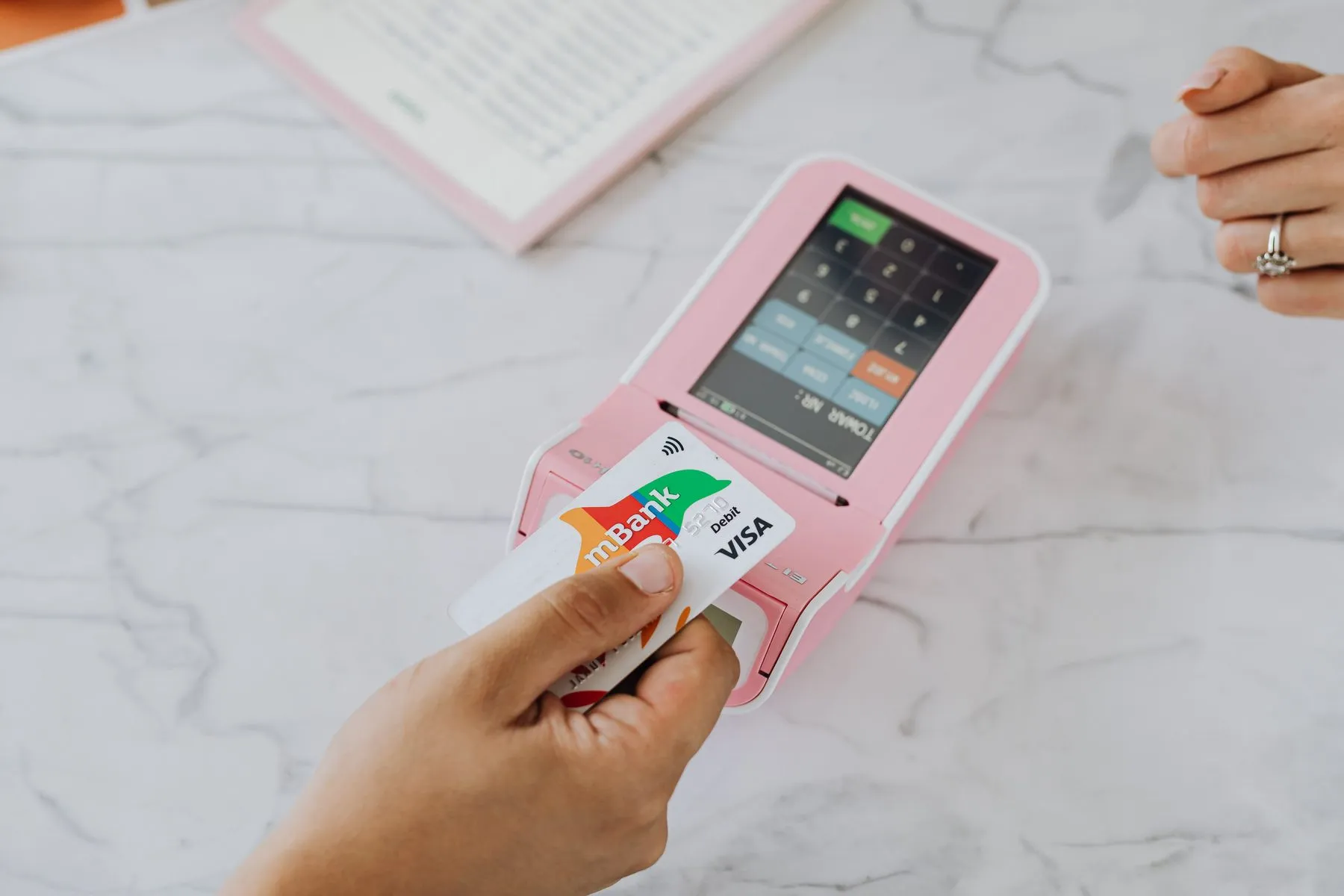
For bigger sums, a card payout is rarely the cheapest route. Selling USDT on P2P to your own bank account, or withdrawing lari from WhiteBIT to TBC Bank or Hashbank, usually costs less. Our guide to cashing out crypto in Georgia compares the routes.
Going the other way and buying crypto with your card?Visa, Mastercard, Apple Pay and Google Pay; purchases in USD or EUR.
Buy with a cardBefore you order any crypto card
A few checks save a lot of surprises, whichever card you choose.
Confirm the issuer and the licence
Find out which bank issues the card and which company runs the crypto side. For Bybit, that is Pave Bank and Bybit Georgia (NBG no. 0019-9404). Avoid cards sold through agents or Telegram channels.
Ask for the full fee schedule
Get the issuance, monthly, top-up, FX and ATM fees in writing in the app. If the provider won’t publish them, assume the cost is built into the exchange rate.
Check the settlement currency
If the card account is in USD, EUR or a stablecoin, every payment in lari includes a conversion. Compare the rate with the NBG official rate on a test purchase.
Keep only spending money on it
A card account is custodial. Keep savings in a wallet you control and top up the card as needed.
Tax and paperwork
Spending crypto through a card is, legally, selling crypto. For individuals, Ministry of Finance Public Decision No. 201 of 28 June 2019 treats income from supplying crypto as not Georgian-source income, so Georgian personal income tax generally does not apply. Two caveats:
- Cashback. We found no official guidance on how crypto cashback, such as Hash Bank’s BTC rewards or Bybit’s launch promotion, is treated. It is usually small, but keep records.
- Salary and residence. Crypto received as salary or for services is taxed as ordinary income in Georgia, and expats may still owe tax in their home country, which Georgian rules don’t change.
Keep your card statements and exchange history. Georgian banks may ask about the source of fundsSource of fundsDocuments showing where money came from (salary, sale of property, exchange statements). Georgian banks may ask for them on large crypto-related transfers. when money from crypto lands in your account. Our crypto tax guide covers the details, and the overview of crypto regulation in Georgia explains the payment rules in full.