KuCoin is the exchange people in Georgia usually discover when they chase a small-cap token that isn’t on Bybit or Binance yet. It lists a long tail of altcoins, it lets Georgian residents sign up, and its base fee is the industry-standard 0.10%. What it doesn’t have is much lari. If you expect to fund your account from a TBC or Bank of Georgia card and cash out the same way, read the P2P section below before you sign up.
This review covers what matters from Georgia specifically: whether you are allowed in, which licences KuCoin holds and which it doesn’t, the real state of its GEL market, fees, and how to move money in and out. For a wider comparison, see our guide to crypto exchanges in Georgia.
Can you use KuCoin from Georgia?
Yes. KuCoin’s terms of use (Article 17(5)) list the jurisdictions where it does not serve customers: the USA and its territories, Singapore, mainland China and Hong Kong, Malaysia, Kazakhstan, Uzbekistan, Ontario and British Columbia in Canada, France, the Netherlands, and the occupied Crimea, Donetsk, Luhansk, Zaporizhzhia and Kherson regions of Ukraine.
Georgia is not there. It is worth noticing that two neighbouring post-Soviet markets, Kazakhstan and Uzbekistan, are — a reminder that these lists change, and that a country can be removed from service with little notice. The global agreement is governed by Turks and Caicos law, with disputes going to arbitration at the Singapore International Arbitration Centre. That is a long way from a Georgian court.
Verification is mandatory for real use. KuCoin did not publish its verification tiers on the pages we could read, but even its P2P ads show the requirement: one GEL ad in our snapshot was limited to users with KYC level 2.
Two practical tips before you deposit anything. Sign up only by typing kucoin.com yourself rather than following a link from a Telegram channel, because look-alike exchange domains are a common trap. And switch on two-factor authentication before your first deposit, not after. If KuCoin ever adds Georgia to its restricted list, verified users would normally be asked to withdraw, which is much easier if your wallet addresses are already set up and tested.
Licences: an EU authorisation, nothing in Georgia
| Register | KuCoin status |
|---|---|
| NBG VASP register (Georgia) | Not registered |
| ESMA MiCA register (EU) | KuCoin EU Exchange GmbH, Austria FMA, authorised 27.11.2025 |
| VARA (Dubai) | Not listed |
| Governing law of global terms | Turks and Caicos |
The MiCA authorisation is real and checkable on the ESMA register, but it belongs to KuCoin’s Austrian company, which serves customers in the European Economic Area through kucoin.eu. A Georgian resident on kucoin.com is a customer of the global platform, not of the EU entity.
The National Bank of Georgia has required registration for anyone providing virtual-asset services in Georgia since 1 July 2023, and on 7 October 2025 it warned that unregistered providers may not offer these services here. The NBG did not name exchanges or explain how that applies to foreign platforms serving Georgians remotely. What is clear is that the NBG does not supervise KuCoin, so a dispute with KuCoin is not something the Georgian regulator can help with. Only two global exchanges, Bybit Georgia and WhiteBIT Georgia, are on the register — our list of NBG-registered exchanges shows the rest.
The GEL P2P market is thin
KuCoin has no direct lari bank deposits. Like OKX and Binance, it relies on P2PP2PPeer-to-peer: you buy crypto from another person and pay them directly (e.g. by TBC or Bank of Georgia transfer) while the platform holds their coins in escrow. for lari: you trade USDT with another user and the lari moves between your bank accounts.
In our check, we pulled KuCoin’s live GEL ads:
| Direction | Ads | Payment methods named |
|---|---|---|
| You sell USDT for lari | 16 | TBC (13), Bank of Georgia (13), “bank” (8), bank transfer (6), Liberty (4) |
| You buy USDT with lari | 1 | Credo Bank only |
Compare that with OKX, which had 113 ads buying USDT and 30 selling, or Bybit with 218 and 117. On KuCoin, buying USDT with lari depends on one advertiser being online, with one bank. Selling is possible but with a fraction of the choice.
There is a second warning in those ads. Several of the KuCoin GEL buyers wrote in their remarks that the sender is a third party — that is, the lari would come from someone other than the verified buyer. That is precisely the kind of transfer that Georgian banks question and sometimes freeze, and it is a common pattern in P2P fraud. Our P2P guide explains why you should only accept money from the account holder named in the order.
Fees on KuCoin
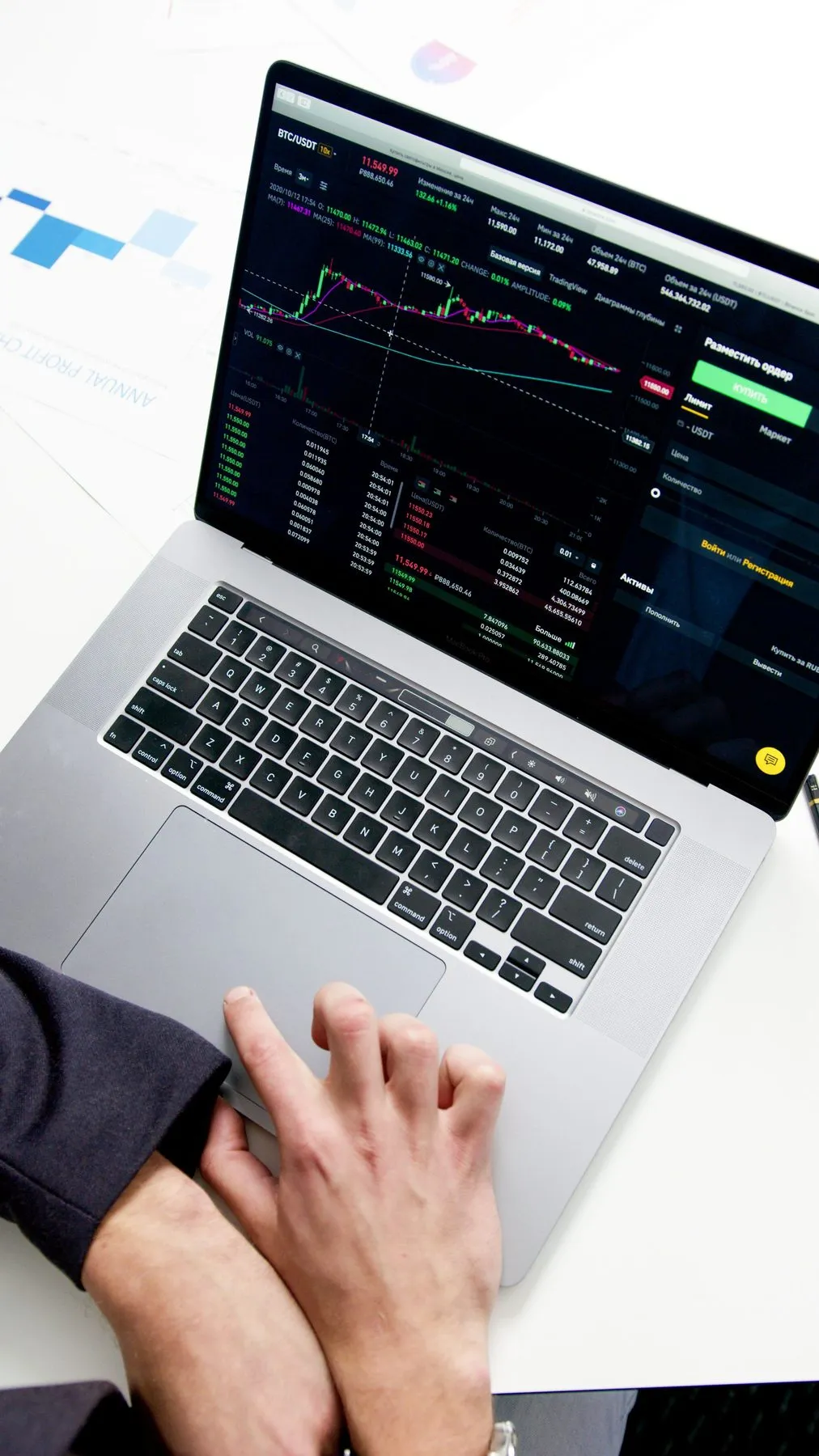
KuCoin’s reference spot fee is 0.1% for makers and 0.1% for takers. Two qualifications matter:
- Not every pair is 0.1%. KuCoin says the reference rate “does not apply to some of the trading pairs”. Its own fee breakdown places coins in classes, and the less liquid Class B and Class C coins carry higher fees. Since small altcoins are the main reason to use KuCoin, check the fee shown on the order screen.
- KCS discount. Paying fees with KuCoin’s own token, KCS, gives a discount, but the percentage was not stated on the pages we checked.
The difference between a maker and a takerMaker / taker feeMakers place orders that wait in the book; takers fill existing orders instantly. Takers usually pay slightly more. is simple: a limit order that waits in the book is a maker order, a market order that fills immediately is a taker order. OKX’s base maker fee of 0.08% is slightly lower; Bybit, WhiteBIT and Bitget are the same 0.10% / 0.10%.
Withdrawals to an external wallet cost a network feeNetwork feeThe fee paid to the blockchain itself to process a transfer (also called gas). It goes to miners/validators, not to the exchange. that depends on the coin. For USDT, TRC-20 is the network most Georgian venues accept, including Cryptomat ATMs and Cryptal.
Buying with a card and other ways in
KuCoin’s “buy crypto” card option is handled by third-party payment providers rather than by KuCoin itself. We could not confirm which of those providers accept a Georgian-issued Visa or Mastercard, whether Apple Pay or Google Pay work for Georgian users, or what the total cost would be. Because the price is set by the provider, look for the provider’s name and the final amount of crypto on the confirmation screen before you pay. A Georgian lari card will usually be charged in USD or EUR, so your bank’s conversion rate applies on top.
In practice, Georgians who use KuCoin rarely fund it directly. A more common route is to buy USDT elsewhere — at an NBG-registered exchange, a Cryptomat, through Bybit or OKX P2P, or with a card from a provider such as CEX.IO (Visa, Mastercard, Apple Pay and Google Pay, US money-transmitter licences under NMLS 1804170) — and then send it to KuCoin over TRC-20. Our guide to buying crypto with a card in Georgia compares the card options.
Need USDT to send to KuCoin?Card purchases are in USD or EUR; your Georgian bank converts from lari.
Buy USDTCashing out and Pi Network
Getting lari back from KuCoin means P2P with TBC, Bank of Georgia or Liberty — when there are buyers online — or moving your coins to another exchange with a deeper GEL book. Many users simply withdraw USDT to OKX or Bybit and sell there. Our guide to selling USDT for lari compares the routes, including WhiteBIT’s direct GEL withdrawals to TBC Bank and Hashbank.
If you hold Pi, note that KuCoin is not on Pi Network’s official KYB list of exchanges. Pi advises extreme caution with any business that isn’t on that list. OKX, Kraken, Bitget, Gate and MEXC are; see our Pi Coin guide.
On tax: individuals in Georgia generally pay no personal income tax on gains from selling crypto, because Public Decision No. 201 treats that income as not Georgian-sourced. Crypto paid as salary is a different matter, and expats may owe tax at home. The crypto tax guide sets out the conditions.
How KuCoin compares
The table below compares the eight exchanges Georgians use most. Use it to see where KuCoin sits on licensing and lari support.
Verdict: who KuCoin is for
KuCoin makes sense for a Georgian user who already holds USDT and wants a specific altcoin that the bigger venues haven’t listed, and who is comfortable trading on a platform that the NBG does not supervise. Its 0.10% base fee is standard, and its EU authorisation shows it has passed a serious licensing process somewhere.
It is the wrong choice as your main lari on-ramp or off-ramp. One P2P ad to buy USDT, with one bank, is not a market. For lari, use an NBG-registered exchange, OKX or Bybit P2P, or the local options in our Batumi guide and Tbilisi guide. And as with any exchange, keep only trading money on KuCoin; move the rest to a wallet you control, using our crypto wallet guide.