Cashing out is where crypto in Georgia gets real. Buying is easy — there are card routes, terminals and machines on every corner. Working out how to cash out crypto in Georgia — turning USDT or bitcoin back into lari that you can spend, pay rent with or wire to a developer — takes a little more planning, because each off-rampOff-rampTurning crypto back into fiat — selling on an exchange and withdrawing to a bank, or cashing out at a desk. pays out differently: some into a bank account, some in cash, some only up to a certain amount.
This guide walks through every route that works for people living in or visiting Georgia, what each one really costs, and what happens after the money arrives. If you’re looking for the reverse direction, start with how to buy crypto in Georgia.
Five ways to cash out crypto in Georgia
Here’s the whole map before we go route by route. “Cost” means what you give up between the market price and the lari you receive — fees plus the spreadSpreadThe gap between the buy and sell price. A desk that buys USDT at 2.57 GEL and sells at 2.62 GEL earns a 0.05 GEL spread on each coin. built into the rate.
| Route | You receive | Typical cost | Suits |
|---|---|---|---|
| Exchange + GEL withdrawal | Lari in TBC or Hashbank | Trading fee, 0 GEL fixed withdrawal fee (WhiteBIT) | Regular amounts, residents |
| P2P sale | Lari in your Georgian bank | Close to the NBG rate | Any bank customer |
| Exchange office | Cash GEL, USD or EUR, or a transfer | Margin built into the quote | Cash, tourists, large sums |
| Cryptomat (sell machine) | Cash lari only | Highest; fees not published | Small, urgent amounts |
| Card payout (MoonPay) | USD/EUR to a Georgian Visa card | 4.5% for Visa payouts | No local account access |
Two things decide which row is yours. First: do you need cash or money in a Georgian bank account? Second: how much? A few hundred lari is a different job from the price of an apartment, and the larger the sum, the more the paperwork matters — more on bank questions and source of funds further down.
Check the USDT to GEL rate before you sell
USDT is a dollar stablecoinStablecoinA token designed to track a currency, usually the US dollar. USDT and USDC aim to stay worth $1., so the fair price of one USDT in lari is very close to the official dollar rate published daily by the National Bank of GeorgiaNBGNational Bank of Georgia — the central bank. It supervises banks and, since 2023, crypto service providers (VASPs).. The converter at the top of this page pulls that NBG rate live, so you can see what your USDT is worth before anyone takes a cut. Whatever a buyer, office or machine offers you, compare it with that number: the gap is the real price of the service.
On P2P, sell-side ads cluster just under the NBG rate; at exchange offices the quote moves with the amount and the currency you take out. Always ask for the final number in lari, not a “rate minus commission” puzzle.
Route 1: sell on a registered exchange and withdraw lari to your bank
This is the cleanest route for residents: one regulated platform, one trade, one transfer into a Georgian account with a paper trail your bank can follow.
WhiteBIT: direct GEL to TBC Bank and Hashbank
WhiteBIT is one of only two global exchanges registered as a VASPVASPVirtual Asset Service Provider — a crypto exchange, ATM operator or custodian. In Georgia every VASP must be registered with the National Bank (NBG). with the NBG (Whitebit Georgia LLC, registration 0007-9404, since 11 April 2024). It’s also the only large exchange we found with direct GEL bank rails rather than P2P only. Its public fee data lists:
- WBGEL TBC Bank — withdrawals from 10 to 60,000 GEL, fixed fee 0
- WBGEL Hashbank — withdrawals from 10 to 100,000 GEL, fixed fee 0
- WBGEL (MyProfile) — withdrawal-only, 5 to 25,000 GEL
Spot trading on WhiteBIT costs 0.1% for both maker and taker. What we could not confirm from public data is the exact path from USDT to GEL inside the account: there’s no public USDT/GEL order book, so the conversion presumably runs through the platform’s own convert flow. Before you send a large amount, open the app, check the GEL quote it gives you and compare it with the NBG rate. Our WhiteBIT review covers the platform in more depth.
Cryptal: sell to a Georgian card or account
Cryptal (Digital Ledger Technologies LLC, NBG 0002-9404) is a Tbilisi exchange that offers selling to a card or bank account. It handles lari through its own TOGEL token, redeemable 1:1, alongside TOUSD and TOEUR. Its fee page covers deposits in detail but does not list withdrawal fees, so ask support for the exact GEL payout cost before you sell. More in the Cryptal review.
TBC Bank’s app and Hash Bank
Since May 2026, TBC Bank’s mobile app lets customers trade around 30 crypto assets from $1, with Bybit Georgia providing the execution and the launch phase commission-free. If you bought inside the app, selling back to lari happens in the same place. Whether you can send crypto in from an outside wallet and sell it there is something we could not verify — TBC’s crypto page would not load when we checked.
Hash Bank, a licensed Georgian digital bank, offers in-app buying, selling and swapping of BTC, ETH, LTC and other coins, and allows transfers from external wallets subject to checks. Those details come from a compilation of the bank’s tariffs rather than the bank’s own site, so confirm them in the app. Hashbank is also one of WhiteBIT’s two GEL withdrawal banks. Our guide to banks and crypto in Georgia compares what each bank does.
Selling to a card instead of a bank account
If you can’t use a Georgian bank route, MoonPay lists Georgia among its Visa Direct payout countries: you sell BTC or other coins and receive the money on a Visa card for a 4.5% fee. MoonPay doesn’t support GEL, so the payout arrives in dollars or euros and your bank converts it. Global card on-ramps such as CEX.IO (operating since 2013, FCA cryptoasset registration FRN 1007192) are built for buying with Visa, Mastercard, Apple Pay or Google Pay; CEX.IO has no GEL wallet and no P2P, so for lari you would move your USDT to one of the routes on this page.
Route 2: sell USDT for lari on P2P
P2PP2PPeer-to-peer: you buy crypto from another person and pay them directly (e.g. by TBC or Bank of Georgia transfer) while the platform holds their coins in escrow. is how most people in Georgia actually turn USDT into lari. You place your USDT in the exchange’s escrowEscrowThe platform locks the seller's coins until the seller confirms your payment arrived, so neither side can simply walk away with the money., a buyer sends lari from their bank account to yours, and you release the coins once the money has arrived. In a live snapshot of the order books, Bybit had 218 ads where you could sell USDT for lari, Binance 138 and OKX 113, paid via Bank of Georgia, TBC Bank, Liberty, Credo and others.
The price is usually the best you’ll get for a bank payout — sell ads sit close to the NBG dollar rate. The trade-off is risk: fake payment screenshots, payments from third parties and later reversals are the classic P2P traps, and many small incoming transfers from strangers can make your bank ask questions. Our full P2P guide for Georgia explains the bank lists per platform, how to vet a buyer and how to release escrow safely.
Route 3: cash at an NBG-registered exchange office
If you need banknotes — or you’re a visitor without a Georgian account — a registered exchange office is the straightforward option. The process is similar everywhere: passport, a selfie, a short questionnaire about the purpose of the transaction, and a first visit of about five minutes. You send USDT to the address they give you and receive lari, dollars or euros in cash, or a transfer to an account. There’s no separate commission line; the fee sits inside the quoted rate.
Registered offices cluster in a few places:
- Tbilisi, Vake — Chavchavadze Avenue has more registered addresses than anywhere else in the country (PLEX, Stellex, CoinSwap, Gaus Crypto, Bithold and others).
- Tbilisi, Saburtalo — Kazbegi Avenue (Coinero at No. 11; Crypto Exchange and Matio at No. 41).
- Tbilisi, Old Tbilisi and Rustaveli — Bitcasa on Rustaveli Avenue, AURUM on Liberty Square, Cryptox on Vertskhli Street.
- Tbilisi International Airport — Alltrust.me has a registered branch at the airport; a third-party profile describes it as a 24/7 counter, which we could not confirm with the company.
- Batumi — Digital Currency (head office plus five branches in Adjara), PLEX (including Orbi City block C), Crypto Change Batumi, PayBit, SOLUNEX, Fintrust, and branches of Alltrust.me, Werty, Stellex and Bitrust.
A registered address doesn’t guarantee a walk-in cash desk, so message ahead. Addresses, registration numbers and red flags for unregistered changers are in our guide to OTC desks and exchange offices; for Batumi specifics see crypto exchange in Batumi.
Route 4: Cryptomat machines that buy crypto back
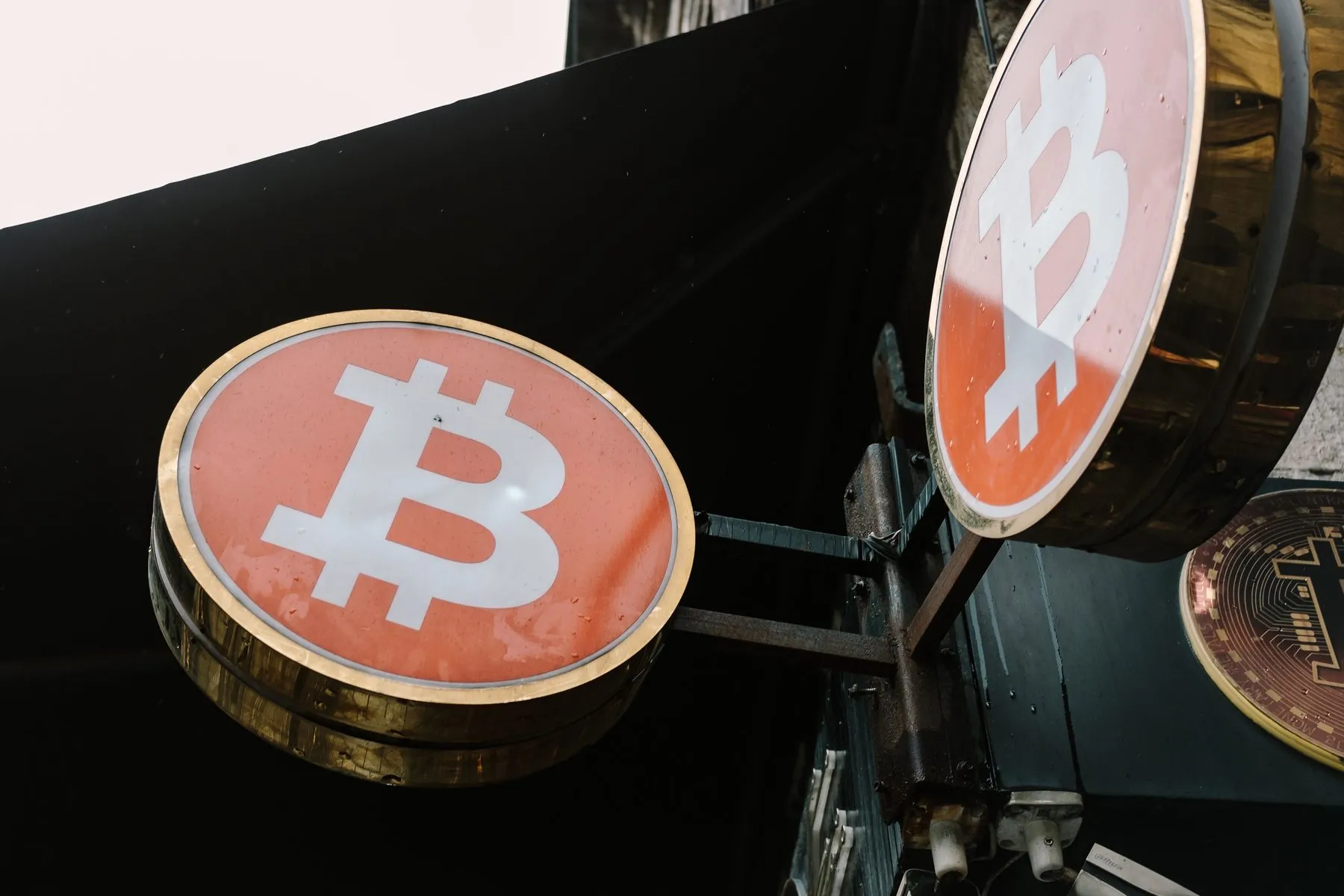
Most of Georgia’s crypto ATMs only sell crypto. Cryptomat, the largest network (NBG 0005-9404), marks about ten of its locations as Buy & Sell. In Tbilisi those are:
- Galleria Tbilisi — 2/4 Rustaveli Avenue
- Tbilisi Mall — 16th km of Aghmashenebeli Avenue
- Goodwill Dighomi — 34 Parnavaz Mepe Avenue
- Orbeliani Bazaar — 3 Vekua Street
- Axis on Kazbegi Avenue — 24G Kazbegi Avenue, Saburtalo
- City Mall Saburtalo — 1 Kavtaradze Street
- City Mall Gldani — 1 Vekua Street
- Isani Mall — 8a Navtlugi Street
- Homemart Vake — 37L Chavchavadze Avenue
Outside the capital, the only sell-capable machine is West Point, 2 Shartava Street, Kutaisi. All eleven Cryptomat machines in Batumi are buy-only.
The machines handle BTC, ETH, LTC, BCH and USDT on ERC-20 and TRC-20 and pay out in lari only. Cryptomat doesn’t publish fees or limits. A local guide puts typical crypto-ATM costs at 6–12% including the spread and sell limits at roughly 5,000–10,000 GEL, with a passport needed above about 1,000–2,000 GEL — treat those as indicative, not Cryptomat’s official numbers. Machines are the fastest way to get a small amount of cash, and the most expensive. Our crypto ATM guide has the full map.
Step by step: cashing out USDT to lari
The same five moves apply whichever route you choose.
Pick your route
Decide whether you need lari in a bank account or cash in hand, and how much you’re selling. Under a few thousand lari with a Georgian account: P2P or an exchange withdrawal. Cash: a registered office, or a sell-enabled Cryptomat for small sums. Large amounts: talk to an office or desk first.
Send a small test amount
Send a few USDT first on a network the venue supports — most Georgian venues take TRC-20TRC-20USDT issued on the Tron network. Cheap and fast transfers, which is why most OTC and property deals in Georgia quote TRC-20., and Cryptomat also accepts ERC-20ERC-20Tokens on the Ethereum network. Widely supported but network fees can be several dollars per transfer.. Check the network matches exactly, and remember the network feeNetwork feeThe fee paid to the blockchain itself to process a transfer (also called gas). It goes to miners/validators, not to the exchange.. Send the rest once the test arrives.
Sell for lari
Convert on the exchange, accept a P2P buyer’s order, or ask for a written quote at the counter. Compare the lari you’ll receive with the NBG dollar rate in the converter above.
Withdraw or collect
Withdraw GEL to your TBC or Hashbank account, release P2P escrow only after the lari is visibly in your account, or count the cash before you leave the counter.
Keep the paperwork
Save the trade confirmation, withdrawal record, wallet transaction ID and any office receipt. These are what your bank — or a notary, if you’re buying property — will want to see.
Need USDT first? A card purchase on a licensed global exchange is the simplest start.Independent resource — we explain the routes, you choose the venue.
Create free accountCrypto to bank transfer: what your bank may ask
Georgian banks don’t publish crypto policies, but in practice they watch where money comes from. Incoming crypto-related transfers can trigger questions, and accounts can be held while the bank checks. The pattern that attracts the most attention is many small transfers from different strangers — typical of active P2P selling. A single withdrawal from an NBG-registered exchange with a matching trade history is much easier to explain.
On the exchange side, registered VASPs are obliged to identify customers. According to Andersen’s summary of the rules, due diligence applies to any single crypto transaction above USD 1,000, EUR 1,000 or GEL 3,000. For large sums, expect a source-of-fundsSource of fundsDocuments showing where money came from (salary, sale of property, exchange statements). Georgian banks may ask for them on large crypto-related transfers. request: one Tbilisi service cites USD 50,000 as its threshold, though there is no official figure.
This matters most for property. Crypto isn’t legal tender in Georgia, and Georgian businesses may not accept it as payment, so a developer is paid in dollars or lari after you sell at a registered VASP. Our guide to buying real estate with crypto walks through that compliant route.
Cashing out a large amount: what each route can handle
A few hundred lari can go through almost any route. Once you’re selling the price of a car or the deposit on a flat, the question changes from “which is cheapest” to “which route can take this amount in one go, with paperwork my bank will accept”. The listed ceilings differ a lot.
| Route | Listed ceiling | What it means for a big sale |
|---|---|---|
| WhiteBIT to TBC Bank | Withdrawals up to 60,000 GEL | One clean transfer from a registered VASP |
| WhiteBIT to Hashbank | Withdrawals up to 100,000 GEL | The highest bank ceiling we found |
| P2P on Binance | One merchant ad took up to 260,000 GEL per order | Depth exists, but the money comes from strangers |
| Cryptomat sell machine | ≈5,000–10,000 GEL (indicative) | Small amounts only |
| Registered exchange office | Not published | Ask for a quote and their document list |
Checks grow with the amount. Registered providers must run due diligence on any single crypto transaction above USD 1,000, EUR 1,000 or GEL 3,000, so a large sale always comes with ID and questions about its purpose. For big sums, expect a source-of-fundsSource of fundsDocuments showing where money came from (salary, sale of property, exchange statements). Georgian banks may ask for them on large crypto-related transfers. request; one Tbilisi service cites USD 50,000 as its trigger, though there’s no official threshold. Registered VASPs must also collect sender and recipient details for crypto transfers, so an office may ask which exchange or wallet your USDT is coming from. The 0% tax on an individual’s crypto sale doesn’t change any of this: the bank still wants to see where the money came from.
Don’t split the sale to stay under the radar. Breaking a large amount into dozens of small P2P orders doesn’t make the checks go away. It creates exactly the pattern banks query most, many incoming transfers from different strangers, and some of those buyers may pay from third-party accounts. Our guide to crypto scams in Georgia shows how those payments go wrong. One withdrawal from a registered exchange, backed by your trade history, is easier to explain.
Talk to the office before you send anything. Registered offices don’t publish limits or spreads for large tickets. Message two or three with the amount, the network and the currency you want, ask for the final figure in writing and their document list, then send a test amount first. Bybit Georgia listed OTC trading among its services when it launched its Georgian site. How desks quote and what they check is covered in our OTC and exchange office guide.
If the money is for a flat. The developer is paid in dollars or lari, so the sale receipt from a registered VASP is the document your bank and notary will ask about. If the purchase is also meant to support a residence permit, the property threshold rose to USD 150,000 on 1 March 2026. Our walkthrough for buying an apartment in Batumi with crypto puts the steps in order.
Tax when you sell crypto in Georgia
For individuals, the headline is simple. Ministry of Finance Public Decision No. 201 of 28 June 2019 treats income a natural person receives from selling crypto as not Georgian-source income, so no Georgian personal income tax applies — effectively 0%. Exchanging crypto for lari or dollars is also outside VAT.
The caveats: crypto you receive as salary or as payment for goods or services is ordinary taxable income; trading as an individual entrepreneur or a company isn’t clearly covered by the decision; and your home country may tax you regardless of what Georgia does. Read the full crypto tax guide before you move a large sum, and if you’re new to the country, crypto for expats in Georgia covers residency and the 183-day rule.
Whichever route you choose, the safest habit is the same: use a provider you can find in the NBG register — our list of licensed crypto exchanges in Georgia makes that a 30-second check.