Georgia is one of the easier places in the region to get Bitcoin. You can buy it with cash at a machine in a supermarket, from a lari bank account on a locally registered exchange, inside a bank app, or through the big global platforms. What differs is the cost, how much ID you’ll need, and how easy it is to sell later. This guide goes through each route so you can choose the one that fits the amount you’re buying.
If you only need a quick answer: for 100 lari on a Sunday evening, use a Cryptomat ATM. For a few thousand, fund an exchange by bank transfer, because the ATM premium on a large amount adds up fast.
Ways to buy Bitcoin in Georgia compared
| Route | How you pay | Cost we could verify | ID needed |
|---|---|---|---|
| Cryptomat ATM | Lari cash | Not published; 6–12% reported | Phone, passport above a threshold |
| Cryptal | GEL card, transfer, PayBox | Deposit 0–2% | Account verification |
| TBC app | TBC account | No commission at launch | Existing TBC customer |
| GEL P2P → BTC | Bank transfer to a seller | P2P premium plus a trade fee | Exchange verification |
| Global exchange by card | Visa/Mastercard in USD/EUR | Card fee plus FX | Full verification |
The ATM cost range comes from a secondary Georgian guide, not from Cryptomat. Exchange trading fees vary by platform; see our exchange comparison.
What the difference looks like on 500 lari
Take 500 GEL. If the reported 6–12% ATM cost is accurate, you’d walk away with Bitcoin worth roughly 440–470 GEL at the market rate. Send the same 500 GEL to Cryptal by bank transfer and the deposit is free, so your cost is the exchange’s trading spread or fee, which Cryptal doesn’t publish on its fee page. Pay by Georgian card instead and 10 GEL goes on the deposit before you trade. The gap grows with the amount: on 5,000 GEL, the ATM premium alone could be 300–600 GEL.
Buying Bitcoin at a Cryptomat ATM
Cryptomat (NBG registration 0005-9404) is the only large ATM network in the country. Its list shows around 150 machines: most in Tbilisi, eleven in Batumi, five in Rustavi, three in Kutaisi, two in Telavi and one each in Zugdidi and Gori. They sit inside Nikora, Spar, Libre, Daily and other chains, and some locations are marked 24-hour. Every one sells Bitcoin.
The process takes a few minutes. You choose BTC, scan the QR code of your wallet address, confirm your phone number with an SMS code, insert lari notes and confirm. Cryptomat doesn’t publish fees or limits. A secondary guide reports a minimum of about 10–50 GEL, a phone-number-only tier up to around 1,000–2,000 GEL with a passport above that, and an all-in cost of 6–12% including the spreadSpreadThe gap between the buy and sell price. A desk that buys USDT at 2.57 GEL and sells at 2.62 GEL earns a 0.05 GEL spread on each coin.. Treat those as indicative. The honest way to see your cost is to compare the BTC price the screen offers with the live rate in the converter above.
Local exchanges and the TBC app
Cryptal (NBG 0002-9404) is the online exchange that shares a head office with Cryptomat. It sells BTC for lari, and its fee page is unusually clear on deposits: 2% by Bank of Georgia, TBC or other Georgian card and by Apple Pay or Google Pay, 1% via PayBox terminals, 0.2% in cash through CPAY, and free by bank transfer, BOG Pay or TBC Pay. A free bank transfer plus a spot trade is usually the cheapest lari route to Bitcoin we can document. Trading and withdrawal fees aren’t published on that page, so check them in the app. Our Cryptal review goes deeper.
The TBC app added crypto in May 2026 with about 30 assets, purchases from $1 and no commission in the launch phase, with Bybit Georgia handling execution. We could not read TBC’s crypto page, so we can’t confirm whether you can send BTC from TBC to your own wallet. If you can’t, you’re holding a claim on Bitcoin inside the bank, not coins you control. More in our crypto apps guide.
Hash Bank, a licensed digital bank, offers in-app buying of BTC, ETH, LTC and others and advertises 0.5% cashback in Bitcoin, capped at 150 GEL a month. That comes from a secondary compilation of its tariffs; confirm on the bank’s own site.
Bybit Georgia (0019-9404) and WhiteBIT Georgia (0007-9404) are the only global brands on the NBG register. WhiteBIT accepts lari through TBC Bank and Hash Bank. You can also pay cash at PayBox terminals through five registered exchanges: Cryptal, Coinmania, WhiteBIT, CityPay and Bitanica. See buying crypto with cash.
P2P and global exchanges
On Binance, Bybit and OKX, the lari P2P market is almost entirely USDT. To get Bitcoin this way, you buy USDT from a seller with a bank transfer, then swap USDT for BTC on the exchange. A secondary test found a 500-lari Binance purchase via TBC released in about four minutes at roughly 0.5% above the NBG dollar rate. Read our P2P safety guide first: fake receipts and transfers from strangers that your bank questions are the common problems.
If you’d rather pay by card, global platforms take Visa and Mastercard. CEX.IO, for example, has operated since 2013, holds US state money-transmitter licences (NMLS 1804170) and a UK FCA cryptoasset registration (FRN 1007192), and accepts Visa, Mastercard, Apple Pay and Google Pay. It has no lari wallet and no P2P, so your GEL card is charged in USD, EUR or GBP with your bank’s conversion on top. Our card buying guide compares the options.
Paying by card instead of cash?Buy BTC in USD or EUR with Visa, Mastercard, Apple Pay or Google Pay.
Buy BitcoinStep by step: your first Bitcoin purchase
Pick your route
Match the route to the amount. A Cryptomat ATM suits small, quick cash buys. For a few hundred lari or more, an NBG-registered exchange funded by bank transfer or the TBC app is cheaper. For larger sums, P2P USDT or a global exchange gives deeper liquidity.
Set up a Bitcoin wallet
Install a self-custody wallet that supports Bitcoin, or open an exchange account. Copy your Bitcoin receiving address and, for a self-custody wallet, write the seed phraseSeed phrase12 or 24 words that restore your wallet on any device. Whoever has them owns the coins — never type them into a website or send a photo of them. on paper. Never photograph it and never type it into a website.
Verify your identity
At the ATM you’ll confirm a phone number by SMS, and larger amounts require a passport or ID card. Exchanges ask for KYCKYCKnow Your Customer: identity checks (passport, selfie, sometimes proof of address) that licensed services must run before you trade. verification before your first deposit: a document, a selfie and sometimes proof of address.
Pay in lari
Insert cash at the machine, or top up the exchange. On Cryptal, bank transfer, BOG Pay and TBC Pay deposits are free; cards cost 2%. On P2P, pay the seller only through the exchange’s order window and only from an account in your own name.
Confirm and secure your BTC
Paste your transaction ID into a block explorer and wait for confirmations. Anything you plan to keep for months belongs in a wallet whose keys only you hold, ideally a hardware wallet.
Lightning in Georgia: not there yet
The Lightning NetworkLightning NetworkA layer on top of Bitcoin for near-instant, very cheap payments. Useful for small amounts, not for buying property. lets you send small Bitcoin payments almost instantly for a fraction of a cent. In Georgia it’s still a do-it-yourself affair. Cryptomat’s coin list has no Lightning option, and Cryptal’s network list doesn’t mention it either, so ATM and local exchange purchases arrive as ordinary on-chain BTC. Several large global exchanges are widely reported to support Lightning deposits and withdrawals, but we couldn’t confirm that on their help pages, so check before you rely on it. We also found no verified list of Georgian cafés or shops that accept Lightning. Older reports of businesses taking crypto involved payment processors that settle merchants in lari.
Keeping Bitcoin safe: self-custody
Bitcoin left on an exchange is a promise from that company. Bitcoin in your own wallet is yours, with all the responsibility that brings. For small amounts, a mobile wallet is fine. For savings, a hardware walletHardware walletA small physical device (Ledger, Trezor, Tangem card) that stores your keys offline and signs transactions only when you press a button. keeps your private keyPrivate keyThe secret code that signs transactions from your address. A seed phrase is a human-readable backup of it. off the internet. Trezor sells BTC-only versions of its Safe 3, Safe 5 and Safe 7 models; Ledger and Tangem are the other common choices.
Two Bitcoin-specific mistakes cost people money. Bitcoin Cash is a separate coin; a BCH address can look similar, and the Cryptomat menu sells both, so tap carefully. And when withdrawing from an exchange, choose the Bitcoin network, not a “BEP-20 BTC” token on BNB Chain, unless your wallet explicitly expects that.
Georgia’s Bitcoin backstory
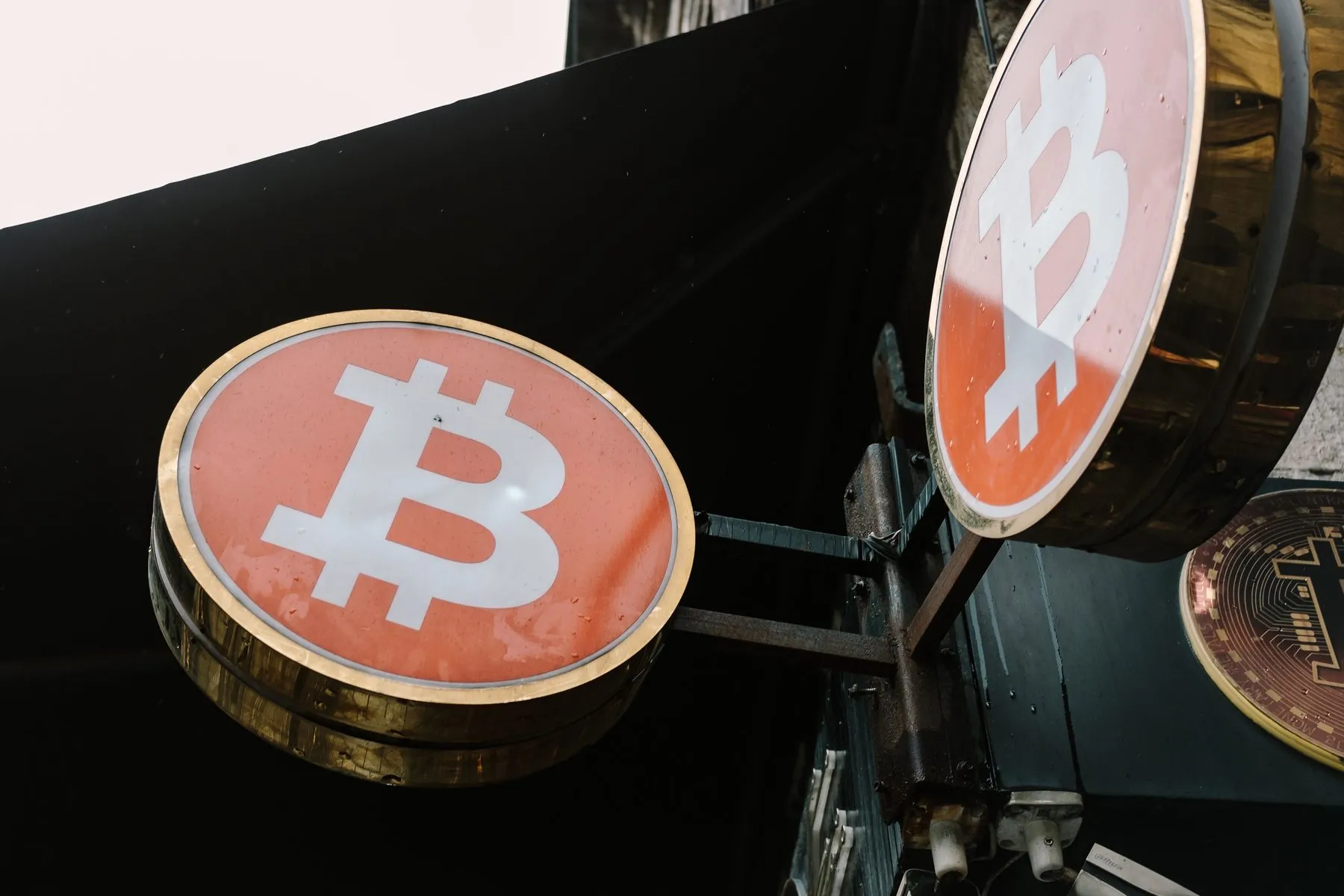
Bitcoin isn’t new here. Bitfury opened a data centre of about 20 MW in Gori in mid-2014, then a second site in Tbilisi’s Gldani district in December 2015 that brought its Georgian capacity to around 60 MW. Press reports at the time credited Bitfury alone with roughly 15% of the world’s new bitcoins in 2016, and a 2017 Cambridge study, as reported in the press, ranked Georgia second only to China by mining energy use. The Gldani site is now run by AITEC. Mining is a separate business from buying, with its own tax and electricity questions, covered in our crypto mining guide.
Selling Bitcoin for lari
You have four realistic exits. A sell-enabled Cryptomat pays lari cash; with only about ten such machines, it’s convenient if you live near Galleria or Tbilisi Mall, less so in Batumi. Cryptal lets you sell to a card or bank account. Bybit Georgia and WhiteBIT Georgia are the registered global options, and WhiteBIT has direct GEL rails through TBC and Hash Bank. The P2P route means swapping BTC for USDT and selling USDT to a buyer who pays your Georgian account.
Registered exchange offices in Tbilisi and Batumi will also buy crypto for cash, with the fee built into the rate. Some will ask where large sums came from. One Tbilisi service cites a 50,000 USD threshold for source-of-funds questions, but that’s not an official figure. Our cash-out guide and OTC desk guide cover the paperwork and bank questions.
Fees and tax at a glance
The costs to watch are the ATM premium (unpublished; 6–12% reported), card deposit fees (2% at Cryptal for Georgian cards), the exchange’s trading fee, the on-chain network feeNetwork feeThe fee paid to the blockchain itself to process a transfer (also called gas). It goes to miners/validators, not to the exchange. when you withdraw, and the P2P premium. On the tax side, Public Decision No. 201 means a private individual pays no Georgian income tax on gains from selling BTC. Bitcoin received as salary is taxable, and mining income has its own rules. See our crypto tax guide.
If you’re still weighing coins, our overview of coins available in Georgia compares Bitcoin with USDT, ETH and the rest, and the Bitcoin ATMs in Tbilisi page lists the capital’s options in one place.