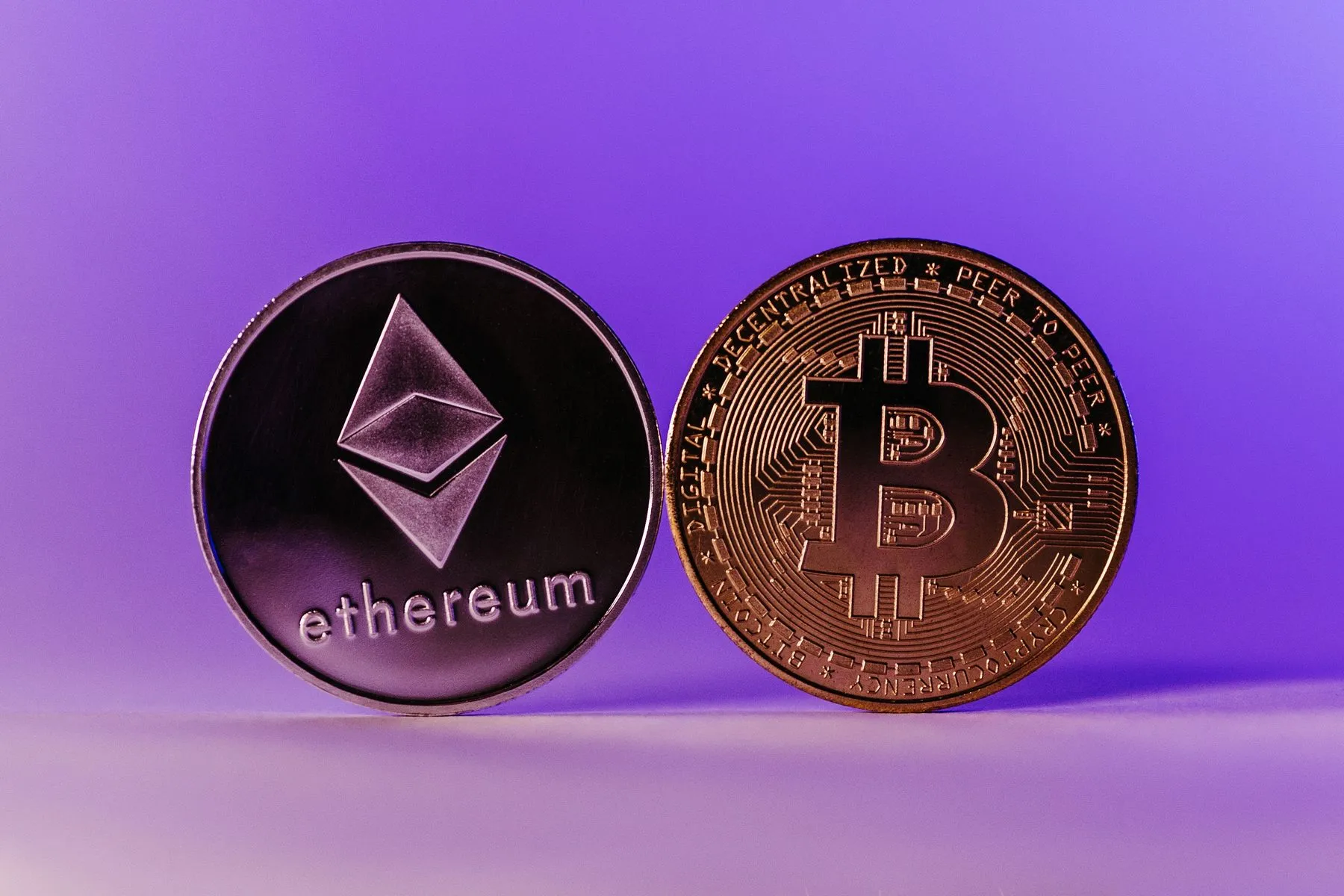
Ethereum is easy to buy in Georgia: it’s on every Cryptomat machine and on every local exchange we checked. The surprises come afterwards. ETH is the fuel for a whole network of tokens and apps, so owning it means dealing with gas fees, network choices and the temptation to stake. This guide covers the buying routes first and then the things that cost Georgian buyers money once the ETH is in their wallet.
If you only want exposure to the price and never plan to move the coins, the route matters less. If you want to use ETH (send it, swap tokens, pay for apps), read the gas and network sections before you buy.
Where to buy ETH for lari
| Route | Pay with | What we know about cost | Good for |
|---|---|---|---|
| Cryptomat ATM | Lari cash | Not published; 6–12% reported | Small, quick buys |
| Cryptal | GEL transfer, card, PayBox | Deposits free to 2% | Regular lari buyers |
| Bybit Georgia / WhiteBIT | GEL rails, P2P | Platform trading fees | Larger amounts |
| GEL P2P → ETH | Bank transfer | P2P premium plus trade fee | Binance or OKX users |
| TBC app | TBC account | No commission at launch | TBC customers, if listed |
The ATM range comes from a secondary Georgian guide, not from Cryptomat. TBC’s asset list was not readable when we checked.
Buying ETH at a Cryptomat ATM
Cryptomat (NBG 0005-9404) has around 150 machines across seven cities, and every location lists ETH. You pick Ethereum, scan the QR code of your wallet’s Ethereum address, confirm your phone number by SMS, insert lari notes and confirm. Cryptomat doesn’t publish fees or limits. A secondary guide reports a minimum of about 10–50 GEL, phone-only verification up to roughly 1,000–2,000 GEL and a passport above that, with crypto ATM costs of 6–12% including the spread.
Cryptomat lists ETH without naming any layer-2 network, so assume the machine sends on Ethereum mainnet. Your address is the same on mainnet and on layer-2 networks, so any standard Ethereum wallet such as MetaMask or Trust Wallet will receive it. Our crypto ATM guide has the machine list and the sell-enabled locations.
Exchanges, the TBC app and P2P
Cryptal (NBG 0002-9404) sells ETH for lari and publishes deposit fees: free by bank transfer, BOG Pay or TBC Pay; 1% through PayBox; 0.2% cash via CPAY; 2% by Georgian card, Apple Pay or Google Pay. Trading and withdrawal fees aren’t on that page. See our Cryptal review.
Bybit Georgia (0019-9404) and WhiteBIT Georgia (0007-9404) are the only global brands on the NBG register, and both list ETH. WhiteBIT accepts lari directly through TBC Bank and Hash Bank; Bybit has GEL P2P with Bank of Georgia, TBC, Credo and Liberty. Compare them in our exchange guide.
The TBC app launched crypto in May 2026 with about 30 assets via Bybit Georgia, purchases from $1 and no commission in the launch phase. We couldn’t confirm the asset list or whether external withdrawals are possible. Hash Bank offers in-app buying of ETH, per a secondary compilation of its tariffs.
P2P in lari runs almost entirely on USDT. You buy USDT from a seller by bank transfer, then swap it for ETH on the exchange’s spot market. That’s two steps and two sets of costs, but it reaches the deepest lari liquidity. Our P2P guide covers the safety rules.
Prefer to buy ETH with a card?Global exchange, USD or EUR, Visa, Mastercard, Apple Pay, Google Pay.
Start buyingStep by step: buying and withdrawing ETH
Decide where the ETH will live
Install a self-custody Ethereum wallet such as MetaMask or Trust Wallet, or keep it on an exchange. Decide up front whether you’ll use Ethereum mainnet (most compatible, highest fees) or a layer-2 network (cheaper, but check the receiving side supports it).
Pick a lari route
A Cryptomat ATM for cash, a registered exchange funded by bank transfer, or USDT bought on GEL P2P and swapped for ETH. For a few hundred lari or more, a free bank-transfer deposit usually beats the ATM premium.
Verify and pay
Confirm your phone at the machine, or pass the exchange’s KYCKYCKnow Your Customer: identity checks (passport, selfie, sometimes proof of address) that licensed services must run before you trade. checks. Pay in lari by cash, bank transfer, BOG Pay, TBC Pay or card.
Withdraw on the right network
In the exchange’s withdrawal menu, pick the network your wallet expects. Leave a little ETH in the wallet, because every future transfer on Ethereum needs gas.
Check the transaction
Paste the transaction hash into Etherscan, or the explorer for your layer-2, and wait for it to confirm before you trade or send the ETH on.
Gas fees in plain words
Every action on Ethereum (sending ETH, sending a token, swapping on an app) pays a network feeNetwork feeThe fee paid to the blockchain itself to process a transfer (also called gas). It goes to miners/validators, not to the exchange. called gas, always in ETH. Gas isn’t a fixed price; it rises when the network is busy and falls when it’s quiet. Two practical consequences for Georgian buyers follow.
First, you can’t move tokens from an empty wallet. If you hold USDT or another ERC-20 token in MetaMask with no ETH, it’s stuck until you add some ETH. Second, small transfers on mainnet can be expensive relative to their size. That’s why exchanges usually charge their highest USDT withdrawal fee on ERC-20ERC-20Tokens on the Ethereum network. Widely supported but network fees can be several dollars per transfer., and why local OTC desks mostly prefer Tron for USDT (see our USDT guide).
ERC-20 tokens and layer-2 networks
ERC-20 is the token standard on Ethereum. USDT, USDC and thousands of other tokens use it, and they all share your Ethereum address. That convenience has a downside: scammers send worthless “airdrop” tokens to addresses, hoping you’ll interact with them. If a token you didn’t buy appears in your wallet, ignore it, and never connect your wallet to the website it points to.
Layer-2 networks such as Arbitrum, Base and Polygon run on top of Ethereum and bundle many transactions together, so fees are usually far lower. Wallets like Keeper (formerly Tonkeeper) and MetaMask support them. The catch is compatibility: an exchange may accept ETH on mainnet but not on a given layer-2. Since your address looks identical on all of them, nothing stops you from sending on the wrong one. Always check the receiving side’s deposit page for the exact network name. We found no Georgian venue that advertises layer-2 deposits, so for lari routes assume mainnet.
Four mistakes that cost ETH buyers money
- Network mismatch. Withdrawing ETH on Arbitrum or Base to an exchange that only credits mainnet deposits. Check the deposit page first.
- Tokens without gas. Buying ERC-20 USDT into a fresh wallet with no ETH. The tokens can’t move until you add some.
- Wrapped look-alikes. Picking “ETH (BEP-20)” on BNB Chain in a withdrawal menu when your wallet expects Ethereum. That’s a bridged token, not native ETH.
- Unlimited approvals. Approving a random app to spend your tokens. Review and revoke old approvals from time to time, and never share your seed phrase with anyone claiming to be “support”.
Choosing a wallet for ETH
Any Ethereum wallet can receive ETH from a Georgian ATM or exchange, but they differ in what else they do.
- MetaMask (now at metamask.com) is self-custodial and supports hundreds of networks, including the common layer-2s. It also promotes a MetaMask Card; whether that card is available to Georgian residents we couldn’t confirm.
- Trust Wallet keeps your private keys on your phone, covers more than 100 blockchains and works on iOS, Android and as a browser extension.
- Keeper (formerly Tonkeeper) handles Ethereum, Arbitrum, Base and Polygon next to TON and Tron, and its “Battery” can pay gas in the token you’re sending on some networks.
- Hardware wallets from Ledger, Trezor and Tangem keep the keys offline. We found no confirmed authorised reseller in Georgia, so order from the maker’s own store and avoid second-hand devices.
Whichever you pick, the seed phraseSeed phrase12 or 24 words that restore your wallet on any device. Whoever has them owns the coins — never type them into a website or send a photo of them. is the wallet. Write it on paper, keep it offline, and never type it into a site that “verifies” or “unlocks” your ETH.
Staking: read the terms before you lock
Many exchanges and some wallets offer to “stake” your ETH for a yield. Staking secures the Ethereum network, and the rewards are real, but they come with conditions people skip. On an exchange, staking is custodialCustodialSomeone else (an exchange, a bank app) holds the keys for you. Easy to use, but you depend on that company.: the platform holds your ETH and you rely on it to return it. Some products lock funds for a period or queue withdrawals. Rewards vary and aren’t guaranteed. Liquid-staking tokens add smart-contract risk on top.
Selling ETH for lari, and tax
To cash out, you can sell on Cryptal to a card or bank account, withdraw lari from WhiteBIT to TBC or Hash Bank, use a registered exchange office in Tbilisi or Batumi, or swap to USDT and sell on GEL P2P. Around ten Cryptomat machines are sell-enabled, nine of them in Tbilisi plus West Point in Kutaisi; check on screen which coins a given machine buys back. Our cash-out guide explains what banks may ask about incoming transfers.
For a private individual, income from selling crypto isn’t Georgian-source income under Public Decision No. 201 of 28 June 2019, so no Georgian personal income tax applies. ETH received as salary or as payment for services is taxable. The full picture is in our crypto tax guide.
For long-term storage, a hardware wallet bought from the manufacturer is the safest option; see our wallet guide. And if you’re still deciding between coins, the coins overview and the Bitcoin guide show how ETH compares on availability in Georgia.